Exploring Wildlife Control: Proven Strategies and Dead Animal Removal Solutions
Animal control involves strategies designed to manage animal populations and guarantee safe environments. Recognizing the effects of typical wildlife intruders is crucial for property owners. Reliable prevention strategies can substantially lower the chances of wildlife incidents. Additionally, the timely removal of dead animals is critical for health and safety. Despite expert tips this, many people lack awareness of the critical factors in successful wildlife control and the necessity of professional intervention. What measures can be implemented to protect households and neighborhoods?
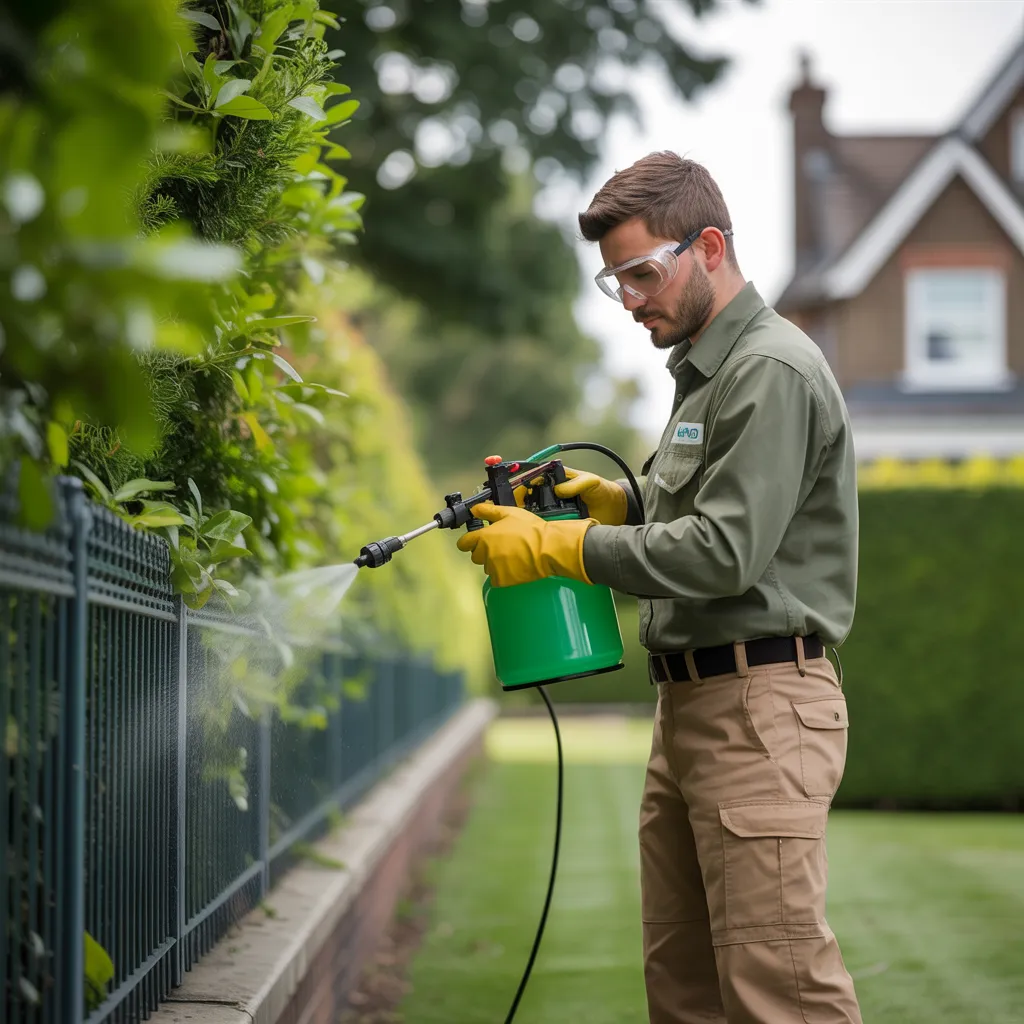
What Is Wildlife Control and Why Is It Essential?
Wildlife management encompasses a range of methods focused on controlling animal populations and how they interact with human settings. This discipline is critical for sustaining ecological harmony and limiting disputes between animals and people. Effective wildlife control helps safeguard public health by mitigating risks associated with zoonotic diseases, which can be transmitted from animals to humans.
Moreover, it preserves the interests of farmers by addressing wildlife that endangers farmland and animals. By utilizing compassionate approaches, animal control supports mutual cohabitation, ensuring that both human needs and animal welfare are prioritized.
Moreover, it serves to preserve biological diversity by managing intrusive species that can destabilize regional ecosystems. Overall, wildlife control is essential not only for enhancing safety and reducing property damage but also for supporting a sustainable interaction between humanity and the environment.
How Typical Wildlife Invaders Cause Damage to Your Home
Typical wildlife pests present serious threats to residential properties, causing structural deterioration that can weaken a building's foundation. They can also contaminate insulation, producing harmful conditions for those living inside. Furthermore, having these creatures nearby introduces serious electrical dangers, as they may chew through wires, elevating the chances of fire outbreaks.
Structural Harm Hazards
The existence of wildlife invaders may result in significant structural damage in households. Animals such as raccoons, squirrels, and rodents often exploit weaknesses in home exteriors, creating entry points that compromise structural integrity. Raccoons, for copyrightple, can tear off roof materials and harm insulation, while squirrels often chew through electrical wiring and wooden beams, heightening the potential for fire hazards. Additionally, digging animals can weaken foundations by forming underground passages, increasing the likelihood of structural collapse. Over time, these breaches can allow moisture to enter, causing mold proliferation and timber deterioration. Residents ought to be watchful for signs of wildlife intrusion to avert costly damage and secure the wellbeing and long-term stability of their residences. Timely response is critical to minimizing these dangers.
Insulation Contamination Problems
Insulation acts as a vital defense against temperature variations, but it can readily be damaged by intruding animals. Wildlife such as rodents and raccoons can tear through insulation materials, creating pathways that allow for further entry into home structures. Their habitation tendencies commonly cause the insulation to be soiled with droppings, waste, and other materials, leading to contamination. This not only compromises the insulation's efficiency but also presents health concerns from potential contact with harmful microorganisms. Additionally, decaying animal carcasses can emit unpleasant odors and attract further pests. Homeowners must address insulation contamination promptly to maintain both energy efficiency and indoor air quality, highlighting the necessity of proper wildlife management and remediation strategies.
Electrical Hazard Concerns
How do wildlife pests lead to electrical dangers in residential properties? Everyday wildlife intruders, like rodents and birds, are capable of causing serious harm to electrical systems. Rodents especially are notorious for chewing through wires, leading to exposed conductors and the risk of short circuits. This presents not only a danger of fire but also raises the likelihood of electrical shock for those living in the home. In addition, nesting materials left by birds can clog ventilation systems or collect near electrical panels, significantly raising fire hazards. Additionally, wildlife can introduce excess moisture via burrows or droppings, establishing conditions that encourage corrosion and electrical system failure. Addressing these risks through effective wildlife control and regular inspections is essential to maintaining a safe living environment.
How to Detect Evidence of Wildlife in Your Area
Recognizing indicators of wildlife activity is vital to successful management approaches. Typical signs consist of tracks, distinctive noises, and unusual odors that can suggest the encroachment of animals. Detecting these signals in a timely manner can aid in reducing possible property damage.
Typical Wildlife Footprints
A large number of outdoor enthusiasts discover that identifying common animal tracks is crucial for understanding local ecosystems. Prints differ among species, displaying characteristic shapes and measurements. To illustrate this point, deer prints take on a heart-shaped form, while the prints of raccoons resemble a human hand with extended fingers. The tracks of canines, including coyotes, present a notably oval shape accompanied by visible claw impressions. Observing the spacing between tracks can also provide clues about the animal's size and movement speed. Furthermore, noting claw impressions can assist in distinguishing between different species; for instance, a bobcat's tracks show a lack of visible claws, unlike a dog's. Understanding these details aids in wildlife observation and conservation efforts, enriching the appreciation of nature.

Noises and Smells
Recognizing wildlife presence often extends beyond observable indicators like tracks; auditory and olfactory cues play important roles as well. Sounds such as disturbances in the undergrowth, clawing inside walls, or nocturnal chattering can indicate animals looking for sustenance or cover. Every animal type generates characteristic sounds, making it easier to identify the likely animals involved. Scents likewise deliver essential information. A damp odor may indicate a hidden animal nest, while a unpleasant smell could indicate a perished animal close by. Detecting these sensory clues empowers homeowners to respond without delay. By keeping watchful to both auditory and olfactory signs, individuals can properly determine wildlife activity and begin suitable management steps before the issue intensifies.
Animal Control: Proven Methods for Stopping Wildlife Intrusions
Stopping wildlife intrusions necessitates a comprehensive plan that integrates an understanding of animal habits with proven deterrent methods. Residents ought to start by pinpointing likely entry spots, such as holes in walls, overhead spaces, or underground sections, and fill them in to remove any means of entry. Routine care of the home and grounds, including removing clutter and properly storing garbage, can discourage wildlife in search of nourishment.
Moreover, using nature-based deterrents like motion-triggered lights or audio devices can ward off unwanted wildlife. Landscaping choices also play a role; incorporating native plants and keeping a well-maintained yard can lessen the draw for numerous species. Teaching residents about regional wildlife patterns improves awareness and encourages proactive steps.
The Significance of Professional Wildlife Control Services
When wildlife invasions surpass the ability of homeowners to handle, professional wildlife management services become a necessary solution. These expert services deliver proficiency in recognizing and managing a broad spectrum of wildlife problems, ensuring both security and adherence to local guidelines. Skilled specialists employ humane capture methods and exclusion strategies to limit the disruption to local ecosystems while efficiently managing disputes with wildlife.
Furthermore, these services often conduct in-depth assessments of homes to detect potential weak points that may invite future infestations. By employing cutting-edge tools and techniques, they can resolve the root causes of wildlife issues, rather than merely treating surface issues. This proactive approach not only shields homes but also encourages coexistence with local wildlife. In the end, engaging professional wildlife control services confirms that homeowners can manage complex wildlife situations safely and effectively, minimizing risks to property and the well-being of their families.
Why Dead Animal Removal Matters
The presence of dead animals on a property can present serious health hazards and draw in undesirable pests. Decaying carcasses emit dangerous bacteria and pathogens, which can contaminate soil and water sources, jeopardizing human and animal health. Additionally, the smell coming from a decomposing carcass can negatively impact the daily lives of surrounding residents and produce an inhospitable environment.
In addition, dead animals can function as a feeding ground for foraging pests, including rodents and other insects, resulting in secondary infestations. This can escalate into more serious complications, necessitating more intensive pest control measures. Prompt removal of dead animals is essential to mitigate these risks and restore safety to the environment.
Expert deceased animal removal solutions are prepared to manage these circumstances effectively, ensuring proper disposal and sanitation. By tackling the problem promptly, homeowners can safeguard their well-being, preserve local ecosystems, and maintain the integrity of their surroundings.
What Should You Look for in a Wildlife Control Service?
Professional wildlife control services are essential for preserving a safe and healthy environment, particularly following concerns like dead animal removal. When seeking a wildlife control service, several key factors should be considered. To begin, confirm that the company holds proper licensing and insurance, because this establishes their authenticity and provides protection from liability. Industry experience is a critical factor; an organization with an established record of achievement is more capable of managing a wide range of wildlife problems effectively.
Additionally, ask about their approaches to animal removal and prevention, verifying they utilize compassionate and environmentally conscious techniques. Client reviews and testimonials can give you a better understanding of the service's trustworthiness and performance.
In addition, a trustworthy service should provide a thorough evaluation and follow-through to avoid future wildlife incursions. By considering these factors, homeowners can select a wildlife management provider that focuses on safety, efficiency, and ethical practices.
Popular Questions We Receive
What Are the Laws and Regulations Governing Wildlife Control in My Area?
Legal regulations for wildlife control vary by location, frequently necessitating permits for animal trapping and relocation. Local wildlife agencies supply detailed guidelines, ensuring humane treatment and adherence to conservation regulations to safeguard animals and their ecosystems.
How Do I Safely Handle a Dead Animal on My Property?
In order to safely handle a dead animal, one should use protective gloves, use a shovel for removal, place the body in a double bag, and remove it following local disposal regulations, guaranteeing proper sanitation and reducing potential health risks.
What Are the Pricing Details for Wildlife Control Services?
The pricing for wildlife control services fluctuates considerably, typically ranging from $100 to $1,500. Variables that impact pricing encompass the kind of wildlife present, severity of the infestation, and the removal techniques or prevention strategies required.
Can Wildlife Control Prevent Future Infestations Entirely?
Professional wildlife management significantly lowers the probability of subsequent pest issues through prevention techniques, but there is no guarantee of complete prevention. Ongoing monitoring and maintenance are essential to reduce potential threats and handle emerging problems in a timely manner.
What Types of Animals Require Specialized Removal Techniques?
Some animals, among them raccoons, bats, and snakes, need specialized removal methods owing to their particular behaviors and associated health risks. Qualified professionals must use particular approaches to secure safe and ethical handling throughout the removal procedure.